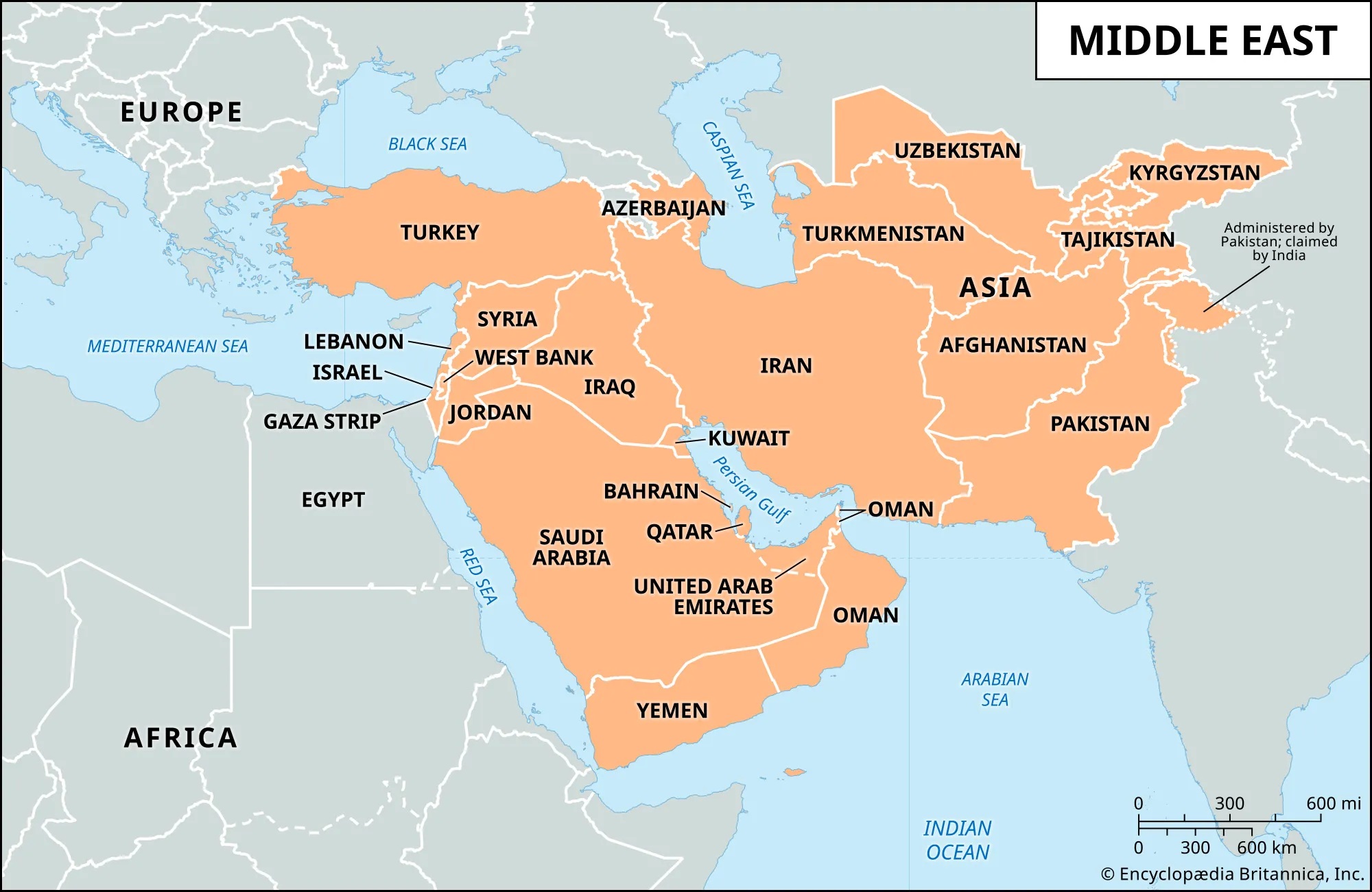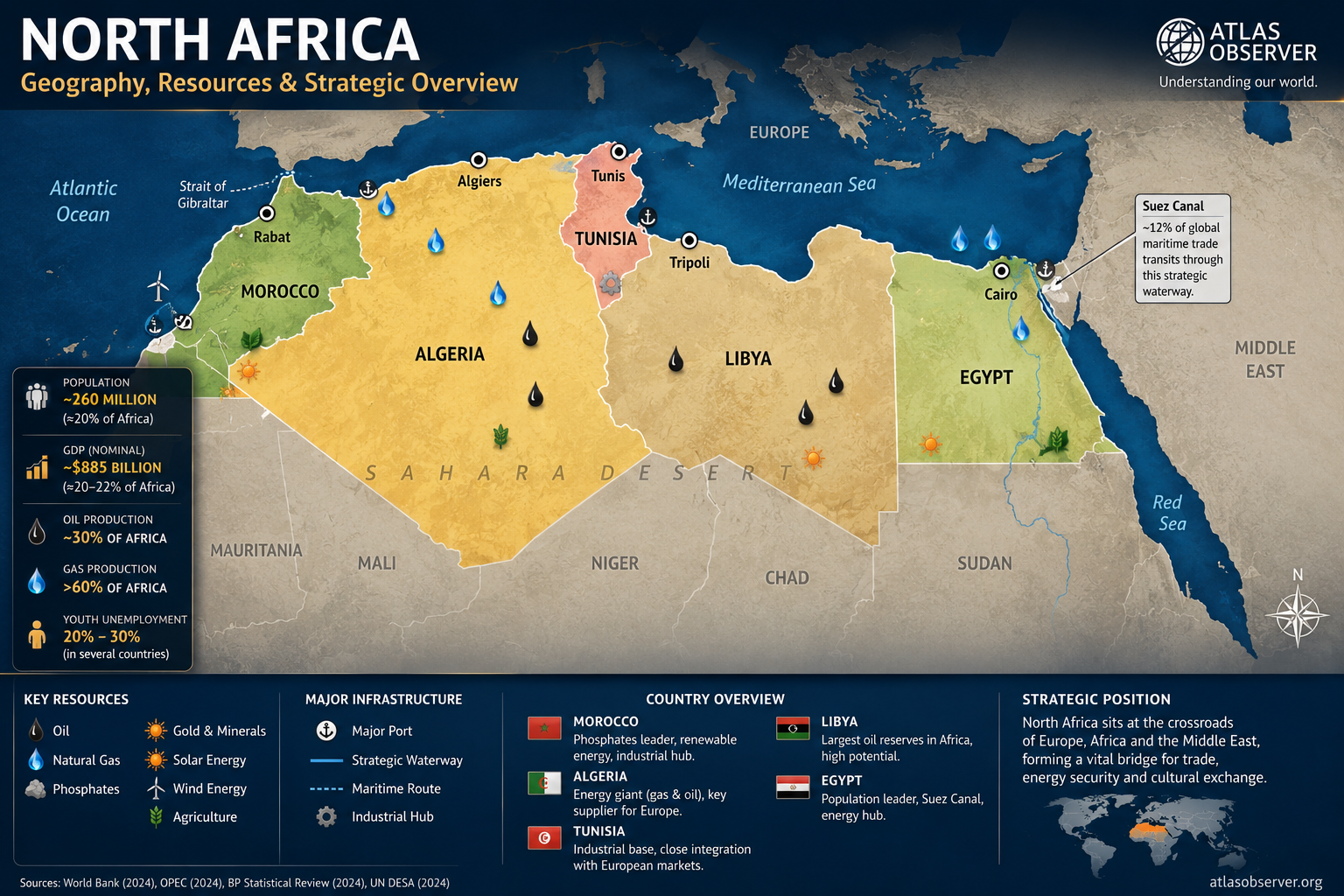
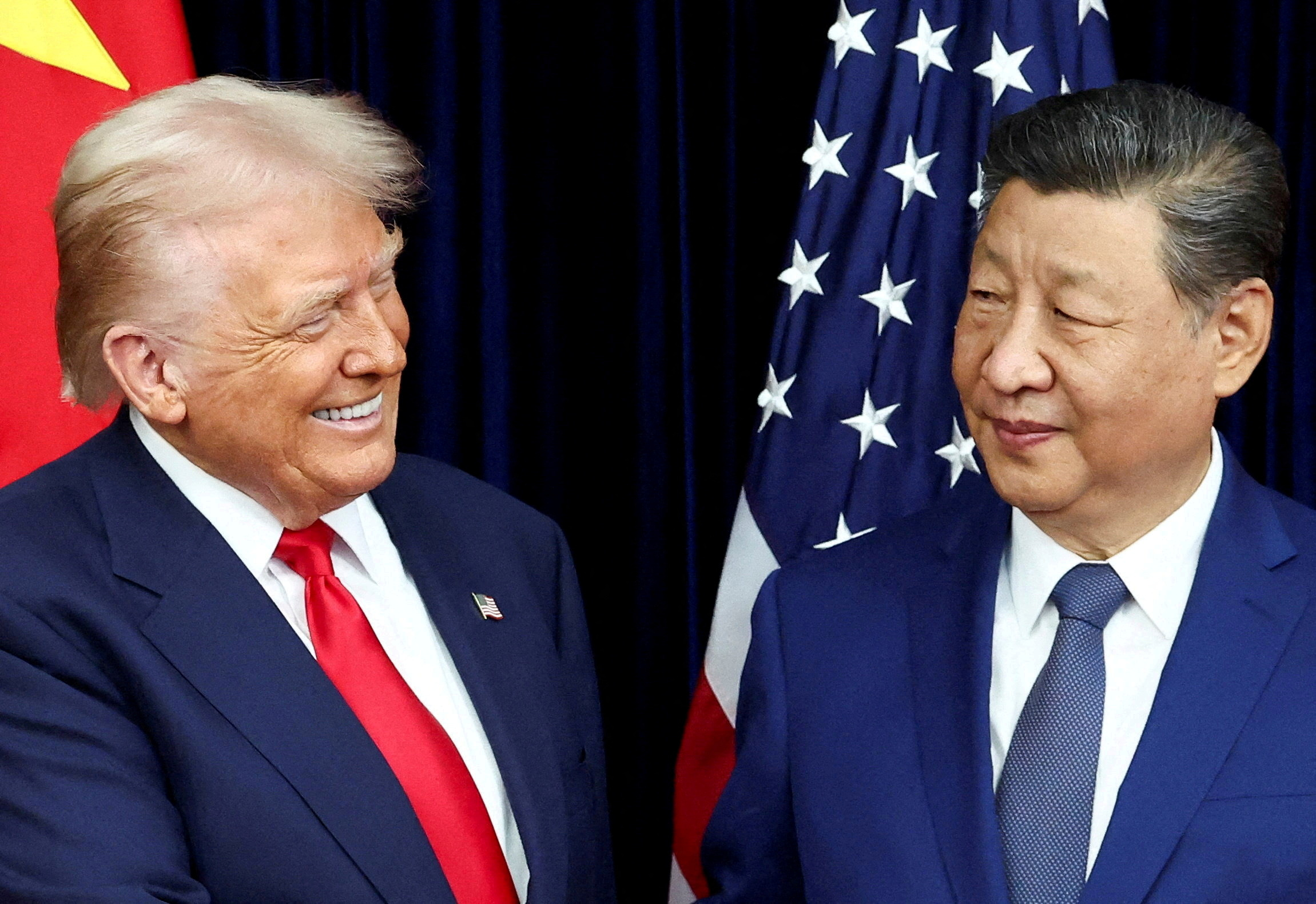
Energy, trade routes, infrastructure, and military alliances all converge in this region, making the Middle East and its surrounding Eurasian environment an indirect arena in the systemic rivalry between Washington and Beijing.
1- Energy: A Major Strategic Lever
The Middle East remains the core of the global energy system. Key figures illustrate this reality:
- Around 48% of the world’s proven oil reserves are located in the Middle East.
- The region accounts for roughly 30% of global oil production.
- The Strait of Hormuz handles nearly 20% of the world’s daily oil consumption.
- This reality is particularly strategic for China.
China is now the world’s largest importer of oil, importing approximately 10 to 11 million barrels per day. A significant share of these imports comes from Gulf countries, notably Saudi Arabia, Iraq, the United Arab Emirates, and Iran. For Beijing, securing energy supplies is therefore a strategic priority. For Washington, maintaining a military and political presence in the region preserves the ability to influence these critical flows.
2- Trade Routes: The Arteries of the Global Economy
The Middle East also sits at the heart of several major maritime corridors essential to global trade:
- the Strait of Hormuz
- Bab el-Mandeb
- the Red Sea
- the Suez Canal
Together, these passages form one of the primary routes linking Asia, Europe, and Africa.
Nearly 12% of global trade passes through the Suez Canal, while the Red Sea and the Indian Ocean constitute a key maritime corridor between Asia and Europe. These routes are also central to China’s Belt and Road Initiative (BRI) launched in 2013.
Since its launch:
- more than 150 countries have joined or cooperate with the initiative,
- cumulative investments are estimated at $900 billion to $1 trillion.
- The Middle East therefore represents a critical logistical hub within the Eurasian integration strategy promoted by Beijing.
3- Infrastructure: Economic and Technological Competition
Beyond energy and maritime trade, the Sino-American rivalry also unfolds through the development of strategic infrastructure. Chinese companies have invested heavily in:
- ports (Gwadar in Pakistan, Duqm in Oman, investments across the Mediterranean),
- industrial and logistics zones,
- digital and telecommunications networks.
China has become the leading trading partner for several Middle Eastern states, including Saudi Arabia and the United Arab Emirates. At the same time, the United States has sought to limit this expansion, particularly in sectors considered strategic such as:
- 5G technologies,
- strategic port infrastructure,
- data and digital networks.
This economic competition is part of a broader struggle for global technological and industrial leadership.
4- Military Alliances: Strategic Containment
The rivalry between the United States and China extends far beyond the Middle East. It spans the wider Indo-Pacific and Eurasian space. Washington has progressively strengthened several security frameworks:
- AUKUS (United States, United Kingdom, Australia)
- Quad (United States, India, Japan, Australia)
- reinforced alliances with Japan, South Korea, and the Philippines
The United States also maintains an extensive network of military bases across the Middle East, including:
- Bahrain (home of the U.S. Fifth Fleet)
- Qatar (Al Udeid Air Base)
- Kuwait
- United Arab Emirates
- Jordan
This military presence helps secure strategic maritime routes and maintain the U.S. capacity to project power across the region.
5- A Systemic Rivalry
Beyond local crises, the broader dynamic reflects a systemic competition between two models of power. The United States remains the world’s leading military power and continues to rely on an extensive network of global alliances.
China, meanwhile:
- has become the world’s second-largest economy,
- accounts for roughly 18% of global GDP,
- is the largest exporter of goods worldwide.
This rise in power is accompanied by an expanding geopolitical influence through infrastructure, trade, and economic diplomacy.
The Middle East is not only a region shaped by local rivalries. It is also a strategic pivot in the global balance of power. Controlling or securing the energy flows, maritime routes, and infrastructure that cross this region allows states to influence the broader dynamics of the global economy. In this context, the tensions affecting the region take on a wider meaning: the theater may be regional, but the rivalry is global.
Atlas Observer Research Desk
Atlas Observer’s editorial and analytical desk.