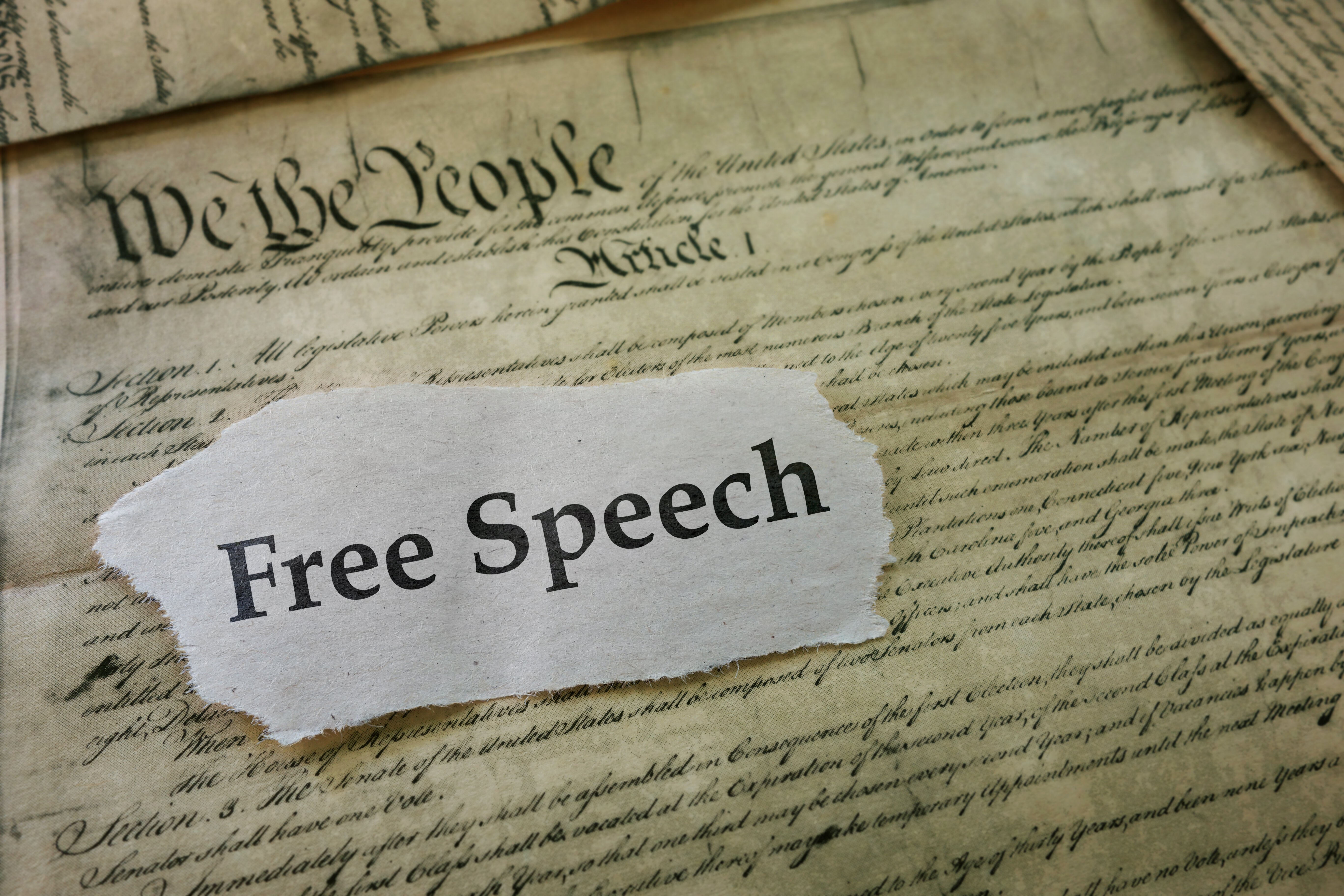
Freedom of expression is often presented as a universal value. In practice, however, its interpretation, scope, and limitations vary considerably across regions of the world.
Behind a principle recognized by international law lie very different conceptions of the relationship between the individual, the state, society, and religion. Understanding these differences provides a more nuanced perspective on contemporary political systems, moving beyond the simplistic distinction between democracies and authoritarian regimes.
I- A Universal Principle… Applied in Different Ways
Article 19 of the Universal Declaration of Human Rights recognizes everyone’s right to seek, receive, and impart information and ideas. In reality, every state establishes legal limits based on its own constitutional, political, and cultural framework. Common restrictions generally concern:
- National security
- Public order
- Defamation
- Hate speech
- Protection of religious beliefs
- Protection of public institutions
- State secrets
The debate, therefore, is rarely about whether limits should exist, but rather about how broad those limits should be and how they are enforced.
II- North America: A Broad Interpretation of Free Speech
The United States offers one of the world’s strongest legal protections for freedom of expression. The First Amendment significantly restricts the government’s ability to regulate speech. Even highly controversial opinions are generally protected unless they constitute direct incitement to imminent unlawful violence or fall within a limited number of established legal exceptions.
Canada adopts a somewhat different approach. While freedom of expression is constitutionally protected, it is more frequently balanced against other societal interests, including anti-discrimination laws, hate speech legislation, and the protection of vulnerable communities.
III- Europe: Balancing Freedom and Responsibility
Most European democracies strongly protect freedom of expression while accepting broader legal restrictions than those found in the United States. Depending on national legislation, restrictions may apply to:
- Denial of certain historical crimes
- Incitement to racial or religious hatred
- Glorification of terrorism
- Defamation
- Certain forms of harmful disinformation in specific legal contexts
This model reflects the view that protecting democratic institutions may sometimes require carefully defined legal limits on expression.
IV- The Middle East: Religion, Stability, and Public Order
Across much of the Middle East, freedom of expression is more closely intertwined with political stability, religious values, and social cohesion. Restrictions frequently concern:
- Criticism of political institutions
- Religious matters
- National symbols
- National security issues
The region remains highly diverse, with some countries gradually expanding media space while others maintain extensive controls over public discourse.
V- Africa: Highly Diverse National Experiences
Africa presents one of the world’s most heterogeneous landscapes regarding freedom of expression. Some democracies maintain relatively vibrant media environments and active public debate. Others continue to experience:
- Arrests of journalists
- Administrative restrictions on media
- Internet shutdowns during periods of unrest
- Broad misinformation laws used against political opponents
Institutional strength, historical experience, and political stability largely explain these differing trajectories.
VI- Asia: Between State Control and Democratic Pluralism
Asia encompasses some of the world’s most contrasting models. Countries such as Japan, South Korea, and Taiwan maintain robust protections for public debate and independent media. At the other end of the spectrum, some governments exercise extensive control over:
- Internet access
- Traditional media
- Social media platforms
- Foreign digital services
- Political content
Between these extremes lie numerous hybrid approaches reflecting diverse political and cultural traditions.
VII- The Digital Transformation of Free Expression
The rise of digital platforms has fundamentally transformed the debate. Today, restrictions on expression no longer originate solely from governments. They may also result from:
- Social media platforms
- Algorithmic moderation
- Private content policies
- Disinformation campaigns
- Economic pressures
- Self-censorship
As a result, the governance of information has become a shared challenge involving governments, technology companies, civil society, and international organizations.
VIII- A Cultural as Well as Political Question
Freedom of expression cannot be understood solely through constitutional texts. It is also shaped by deeper societal factors, including:
- The role of the individual
- Attitudes toward authority
- Religious traditions
- Historical experiences
- Public trust in institutions
These underlying factors help explain why countries with similar legal protections may display very different practical realities.
Conclusion
Freedom of expression remains one of the defining foundations of open societies, yet it has never been absolute. Every society establishes boundaries; what distinguishes political systems is how those boundaries are defined, reviewed, and enforced. In the digital era, the debate extends far beyond governments alone. Artificial intelligence, social media platforms, algorithmic governance, and the global circulation of information are collectively reshaping the balance between freedom, responsibility, and security. Understanding these diverse approaches has become an essential component of contemporary geopolitical analysis.
Atlas Observer Research Desk
Atlas Observer’s editorial and analytical desk.